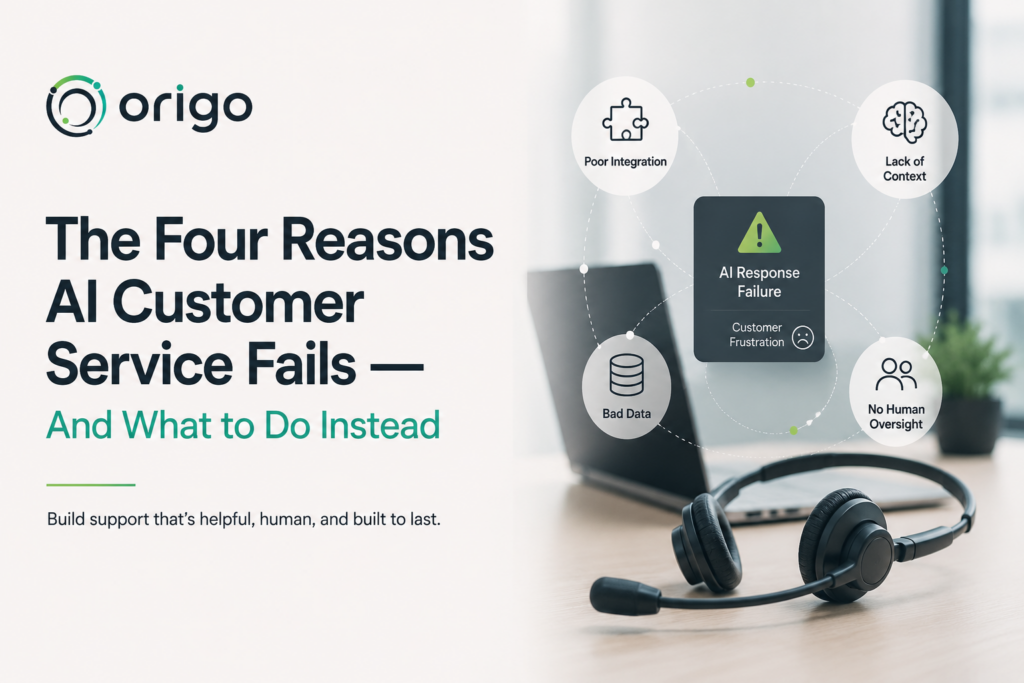
Most businesses that try AI customer service get the same result. The system deflects calls instead of resolving them. Customers learn to say “representative” three times to escape it.
However, the technology is rarely the problem. Almost every failed rollout traces back to one decision made before anyone configured a thing. That decision is about what the system is for.
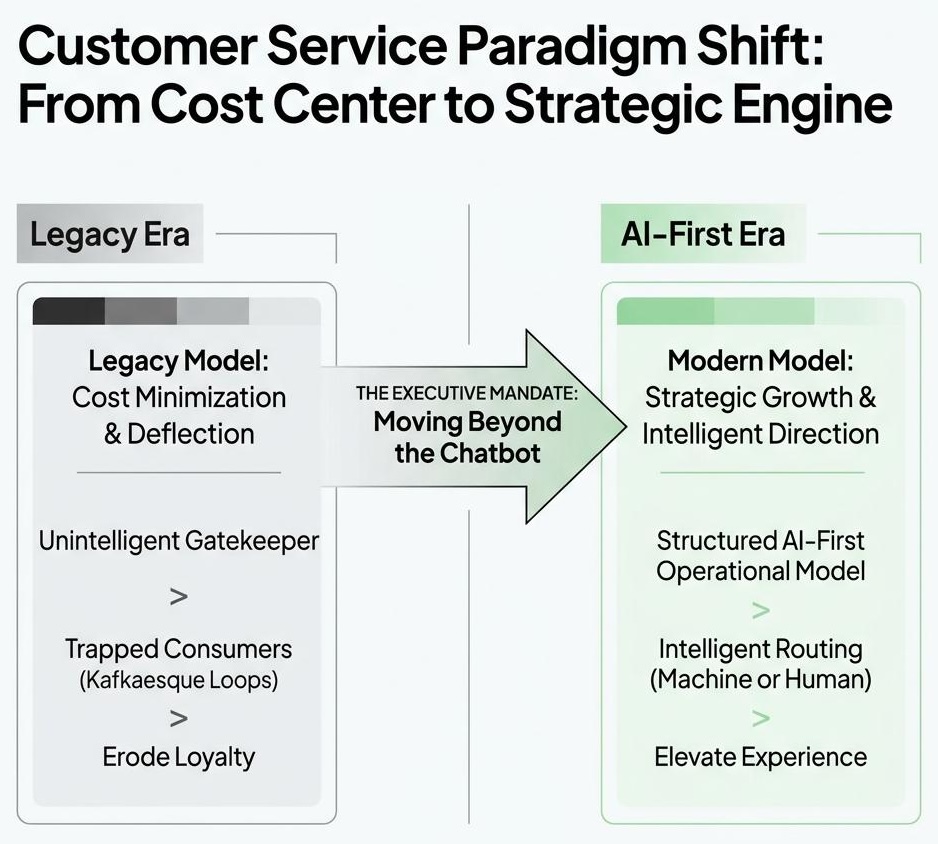
The old model treated the front desk as a cost center. Its job was to absorb calls as cheaply as possible. Deflection was the metric. So when AI arrived, most companies pointed it at that same goal. As a result, they got a faster, cheaper version of something customers already disliked.
There is a better way to frame it. Your front desk is the first commercial contact a customer has with you. Every inbound call is a prospect asking to buy, a patient trying to book, or a client deciding whether to stay. Therefore, routing those calls well is a growth function, not overhead.
Four failure modes explain most of what goes wrong.
1. The system answers from nothing
A general-purpose model with no link to your business will invent things. It will make up your hours, your prices, and your policies. Moreover, it will do so with total confidence. This single issue causes more shutdowns in week two than any other.
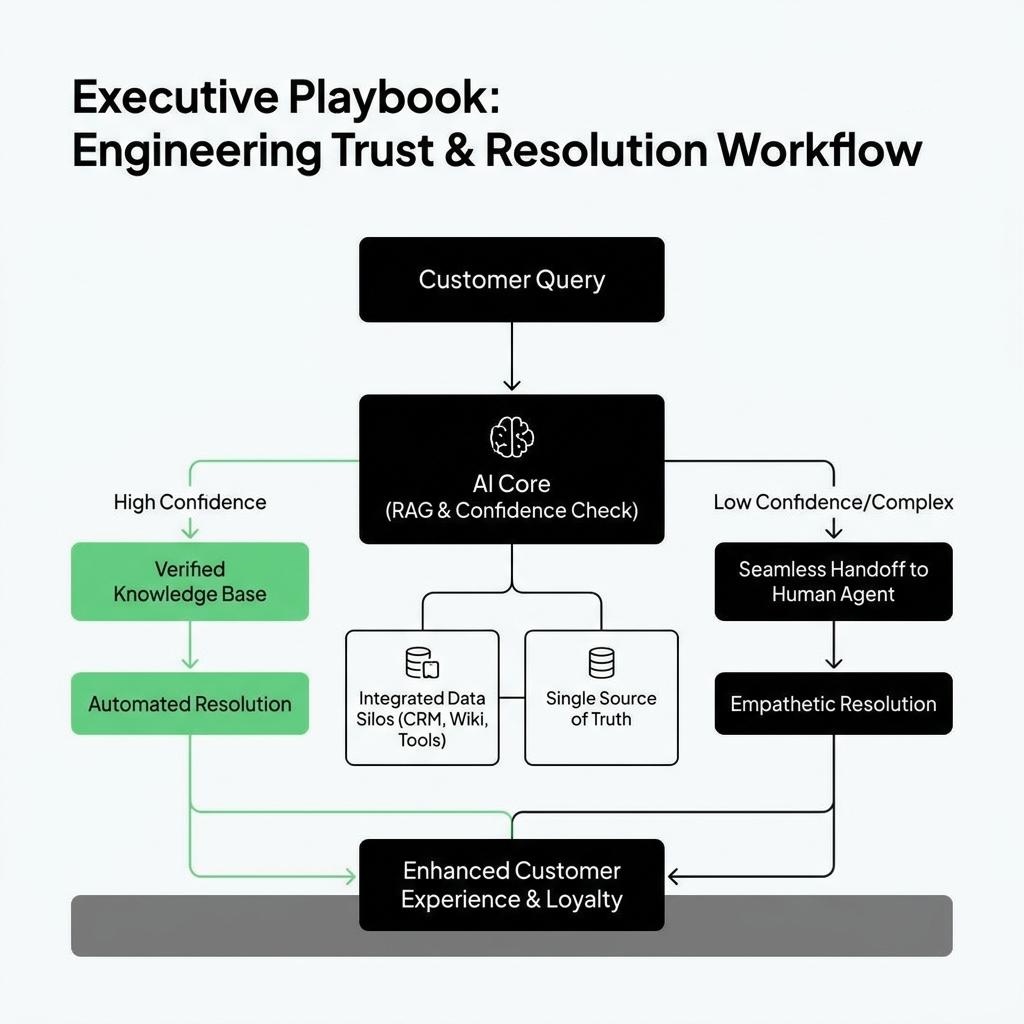
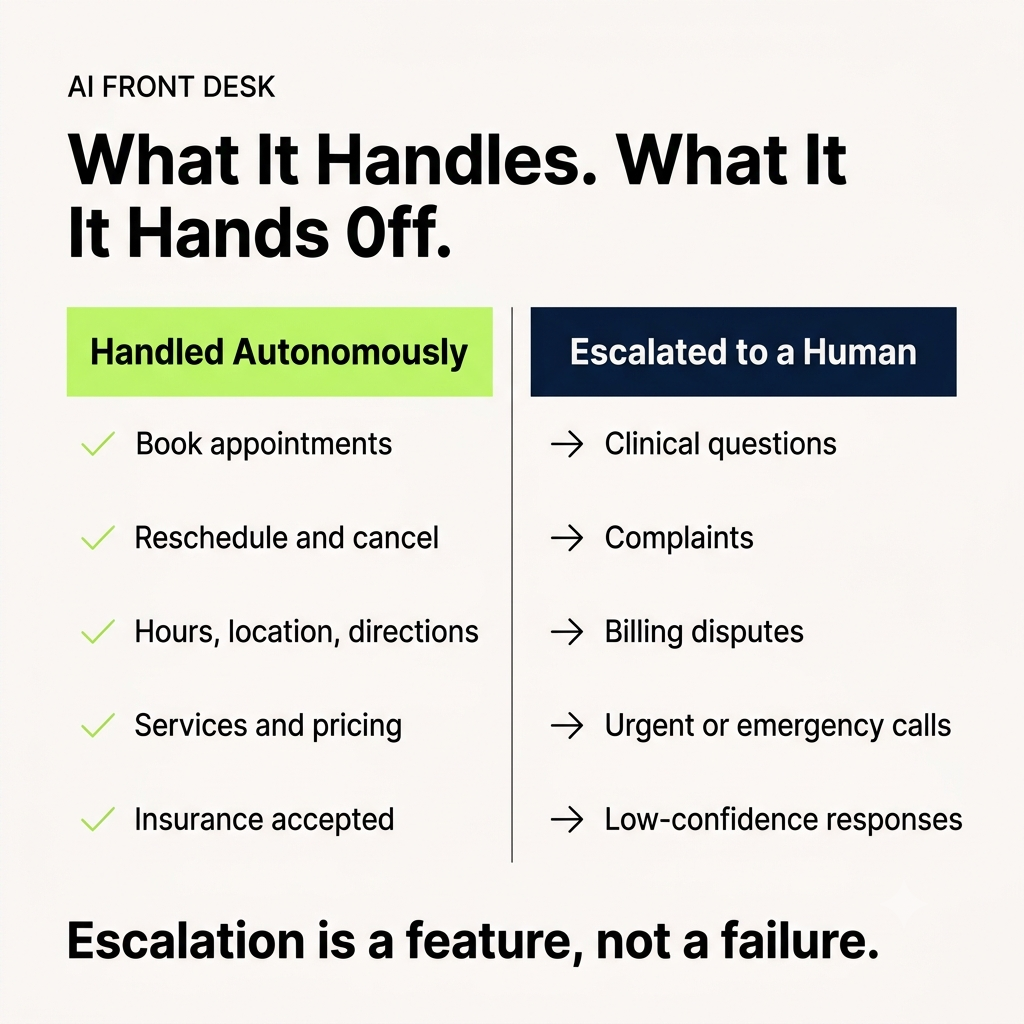
The fix is architectural. First, the agent should answer only from a verified knowledge base. That means your services, your prices, your insurance list, your cancellation policy. Second, it needs a confidence threshold. Below that threshold, it should not answer at all.
2. There is no honest handoff
An agent that cannot escalate becomes a trap. Customers who need a human and cannot reach one do not blame your AI. Instead, they blame you.
A good handoff works on three triggers: low confidence, an upset caller, or a topic you have flagged for human review. It then transfers the call with full context attached. Consequently, the customer never has to repeat themselves. Escalation is not a failure of the agent. Rather, it is a feature of it.
3. It cannot read or write anything
An agent that discusses your calendar but cannot book on it is just a recording with better manners. The real value sits in the write operation. It should reserve the slot, move the appointment, free the time, and send the confirmation.
That requires live integration with the tools your staff already use. Think practice management software, booking platforms, and your CRM. Without those connections, you have bought a phone tree with a nicer voice.
4. Nobody tuned it against real calls
Demos hide the hard parts. Latency, interruptions, accents, background noise, callers who change their mind mid-sentence — none of it shows up in a demo. All of it shows up on day one.
Only one process works reliably. Pilot on live traffic. Review transcripts every week. Then adjust the prompts and flows based on what actually happened. In other words, launch day is the start of the work.
What good AI customer service looks like
A front desk agent worth running does four things: It answers from verified information. It resolves routine calls end to end. It hands off cleanly when it should. Finally, it improves every week from real call data.
In a bilingual market like South Florida, add a fifth. It should do all of that in English and Spanish without the caller asking. In fact, this is where most of the missed revenue hides. Calls get answered in the wrong language, or they do not get answered at all.
Where Origo fits
Origo builds AI Front Desk agents for medical practices, dental offices, med spas, and service businesses that lose money to unanswered calls. Each engagement covers five things:
- We scope against your real call mix.
- We integrate with your booking and practice management systems.
- We configure the agent in English and Spanish.
- We review consent and compliance for inbound calls.
Then we pilot on live traffic and iterate.
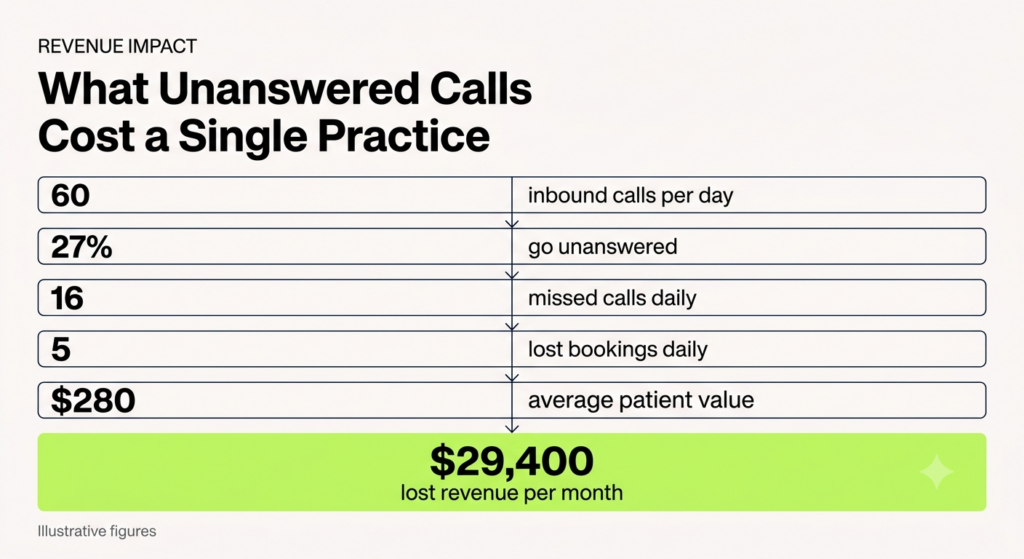
The starting point is not a build, though. It is a look at what your phones do today. How many calls go unanswered, when they happen, and what they were worth.
Ready to find out? Get in touch at origo.ec.

Ready to explore what AI can do for your team?